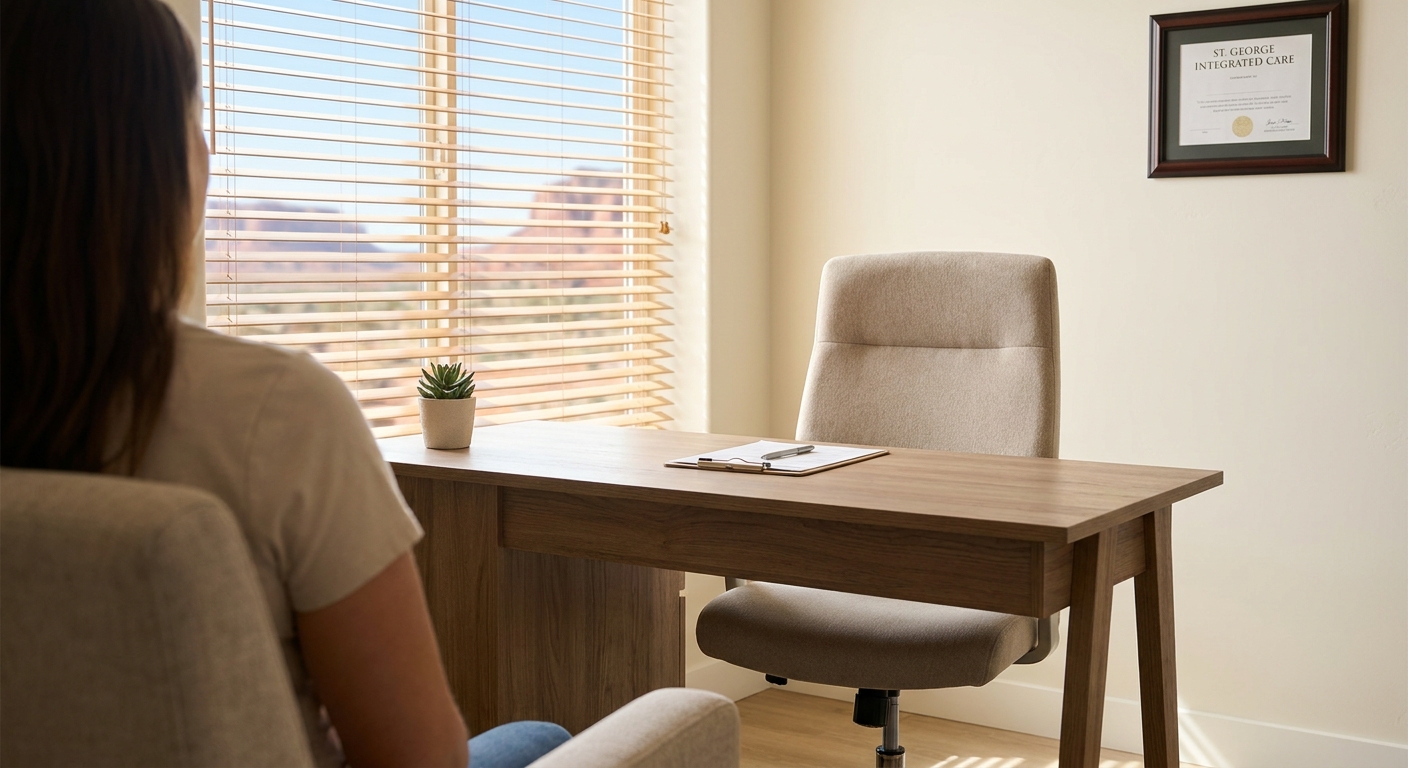

What a private residential rehab center is
When you choose a private residential rehab center, you live full time in a structured, sober environment while you receive intensive addiction treatment. You are not going home at night or trying to fit therapy around work or family responsibilities. Instead, you step into a focused space where your days are intentionally designed around recovery.
Private residential programs are usually considered a higher level of care than standard outpatient treatment. You receive 24/7 support from a professional team, scheduled therapies throughout the day, and ongoing monitoring of your physical and emotional health. This level of structure often makes a real difference if you have a moderate to severe substance use disorder, a history of relapse, or co‑occurring mental health conditions.
Unlike state funded programs, private residential rehab typically has more flexibility in programming, lower staff to client ratios, and a broader range of therapies. Many centers offer specialized tracks for specific populations or substances, and most follow American Society of Addiction Medicine (ASAM) guidelines to match you with the level of care that fits your needs [1].
Who private residential rehab is right for
Not everyone needs a private residential rehab center. For some, outpatient care is enough. However, a residential setting becomes especially appropriate in several situations.
If you have a moderate to severe substance use disorder, you may struggle to stop using even when you want to. Cravings, withdrawal, and environmental triggers at home or work can quickly pull you back into old patterns. Living in a protected environment interrupts that cycle so you can stabilize.
Residential care is also often recommended if you:
- Have tried outpatient treatment before but returned to use
- Use substances daily or in large amounts
- Have experienced overdose, severe withdrawal, or medical complications
- Live in an unstable or unsafe home environment
- Have co occurring mental health conditions, such as depression, anxiety, or PTSD
Integrated programs that treat both substance use and mental health conditions at the same time are a hallmark of quality residential addiction treatment. Research highlights the importance of addressing co occurring disorders in the same setting because treating only the substance use is rarely enough for long term change [2].
If you are stepping down from detox, you might also be guided toward residential treatment after detox. This transition allows you to move from acute withdrawal management into a more therapeutic, skills based phase of recovery without a gap in care.
How daily structure supports recovery
One of the most powerful benefits of a private residential rehab center is the predictable, recovery focused schedule. Structure is not about control for its own sake. It gives your brain and body a new rhythm that is not centered on substances.
A typical day in a high quality residential rehab program might include:
- Morning routines, such as breakfast, medication if prescribed, and mindfulness or light movement
- Individual therapy sessions focused on your treatment goals
- Group therapy, where you work on coping skills, relapse prevention, and interpersonal dynamics
- Psychoeducation groups, where you learn about addiction, the brain, and healthy communication
- Time for reflection, journaling, or assignments from your therapist
- Physical wellness activities, such as fitness, yoga, or outdoor time
- Evening groups or meetings that reinforce accountability and support
This level of structure matters if you are used to chaotic days or if much of your schedule revolved around obtaining and using substances. Regular meals, consistent sleep, and a clear outline of each day support healing at both the physical and psychological levels. Residential programs also often limit access to phones or social media during specific phases, which gives you space to focus on your own work without constant outside pressure.
Clinical oversight and 24/7 support
Another defining feature of a private residential rehab center is continuous clinical oversight. You are not navigating withdrawal symptoms, emotional swings, or cravings alone. You have a multidisciplinary team that may include physicians, nurses, licensed therapists, case managers, and peer support specialists.
Many residential programs begin with medically supervised detox if you still have substances in your system. For alcohol, opioids, benzodiazepines, and some other substances, withdrawal can be uncomfortable and at times dangerous. Medically managed detoxification and withdrawal monitoring reduce these risks and help you stabilize more safely [3].
In residential care, clinical oversight can include:
- Regular medical check ins, vital sign monitoring, and medication management
- Ongoing assessment for depression, anxiety, trauma symptoms, or suicidal thoughts
- Adjustments to your treatment plan as your needs change
- Close observation for signs of relapse risk or escalating cravings
In higher intensity settings, such as high acuity residential rehab, this supervision is even more robust. These programs are designed for individuals with complex medical or psychiatric needs, multiple substances, or a history of severe withdrawal.
If you are a Veteran, you may also have access to inpatient rehab that is specifically tailored to your military experience. Some inpatient residential centers operate Veteran specific programs that address trauma, reintegration challenges, and co occurring mental health conditions. Staff are often trained in best practices for treating Veterans, and many are Veterans themselves, which increases trust and understanding within the therapeutic environment [4].
Therapeutic intensity and evidence based care
Residential settings give you access to more intensive therapy than you would receive in standard outpatient programs. Instead of one or two sessions a week, you may participate in multiple therapeutic activities every day. This increased intensity can help you gain traction more quickly.
High quality private residential rehab centers tend to emphasize evidence based treatments that have been studied and shown to support recovery. These may include:
- Cognitive behavioral therapy, to help you identify and change thought patterns that drive substance use
- Motivational interviewing, to strengthen your internal motivation for change
- Trauma informed therapies, especially if you have a history of trauma or PTSD
- Family or couples therapy, when appropriate, to address patterns at home that affect your recovery
Many residential programs also offer integrated care when you have both a substance use disorder and a mental health condition. A dedicated residential dual diagnosis treatment track can address both sets of issues simultaneously instead of treating them separately.
Private residential centers often employ a diverse team of specialists, including medical, mental health, and holistic practitioners. This range of expertise allows your care plan to be comprehensive and tailored, instead of relying on a single therapeutic approach [1].
Behavioral accountability and community
When you live in a private residential rehab center, you are not only accountable to staff, you are also accountable to peers who are working toward similar goals. This combination of clinical oversight and peer support can be a powerful motivator.
Group therapy, community meetings, and shared activities play a major role in most residential substance abuse program models. In these settings, you practice:
- Speaking honestly about your experiences
- Listening to feedback without becoming defensive
- Supporting others through encouragement and accountability
- Navigating conflict without resorting to old coping strategies
Over time, this shared work can build a strong sense of belonging. For many people, relationships built in residential rehab become part of their long term support network. The structure of the program, including clear expectations and boundaries, helps you rebuild self discipline and responsibility in a safe environment.
Some residential programs also include a formal residential relapse prevention program. These services focus specifically on identifying early warning signs, building detailed action plans, and practicing scenarios that might otherwise trigger you once you leave treatment.
Different lengths of stay and program options
Private residential rehab is not a single, fixed length of stay. The right duration for you depends on your history, the severity of your substance use, your mental health, and practical factors such as work or family obligations.
Shorter stays, such as a 30 day residential treatment program, can provide a solid foundation. You may complete detox, begin therapy, and develop an initial relapse prevention plan. For some individuals, especially those with strong support systems and lower levels of clinical severity, this can be enough to transition into outpatient care.
Many experts, however, note that longer durations in residential treatment, often 90 days or more, are generally associated with better recovery outcomes. Extended care, such as a 60 day residential rehab program or long term residential rehab, gives you more time to:
- Stabilize physically and emotionally
- Practice new coping skills in a structured setting
- Work through deeper issues, such as trauma, grief, or longstanding relationship dynamics
- Prepare gradually for reentry into daily life [3]
Residential treatment programs can range from one month to a year, often moving through phases that gradually allow more independence while maintaining support. During some phases, contact with family or friends might be limited to help you focus on your recovery work [5].
Personalized care plans and flexibility
One of the key advantages of a private residential rehab center is the ability to personalize your treatment. Rather than applying a single method to every person, quality programs work with you to develop an individualized plan that can be adjusted over time.
A personalized plan typically covers:
- Your substance use history and any prior treatment
- Medical issues, including medications you currently take
- Mental health concerns and previous diagnoses
- Family dynamics, work situation, and social supports
- Personal goals, such as rebuilding relationships, returning to work, or addressing legal issues
As you progress through a residential recovery program, your plan is reviewed regularly and adjusted to reflect your needs. You might increase or decrease certain types of therapy, add trauma specific work, or shift focus toward building life skills and aftercare planning. This collaborative approach is associated with better engagement and outcomes [3].
Residential care after detox and between levels
Residential treatment is one level of a continuum of care. You may enter a private residential rehab center directly, or you may transition into it from another level.
Many people start with medically supervised detox, especially when withdrawal is likely to be unsafe or very uncomfortable. Once detox is complete, moving directly into residential care for addiction helps you avoid a gap where you might return to use. In this phase, you shift from medical stabilization to understanding the patterns and triggers that fuel your substance use.
From residential care, you may step down to a lower level of intensity, such as intensive outpatient or standard outpatient treatment. Continuing care after residential treatment is a critical part of maintaining progress. Follow up services and support groups help you apply the tools you learned in treatment to real world situations and stresses [5].
If you are not sure which level of care is appropriate, you might start with an assessment through residential treatment admissions. This process helps determine whether a structured residential addiction program is the right next step.
Cost, insurance, and accessibility
Cost is a practical concern when you consider a private residential rehab center. Inpatient rehab is generally the most expensive level of addiction treatment because it includes housing, 24/7 medical supervision, and intensive therapeutic services. Expenses vary based on location, length of stay, and the amenities offered [6].
Some key points to keep in mind:
- Private residential rehab typically costs more than outpatient care because you live on site and receive round the clock support
- Centers in areas with a higher cost of living, such as some parts of California, usually have higher prices
- Luxury programs can cost tens of thousands of dollars per month due to high end amenities, such as private rooms, gourmet food, and spa services [7]
Many residential facilities accept health insurance and work with a range of plans. In some cases, insurance covers a significant portion of inpatient rehab costs. Coverage depends on your policy, your insurer, and the clinical necessity of the program you are entering [6]. You can explore insurance covered residential rehab options to understand what might be available to you.
If private residential care is out of reach financially, you may still have options. State funded drug and alcohol rehab centers provide free or low cost treatment to individuals who cannot afford private care or who lack sufficient insurance. These programs are funded by government allocations and may include inpatient rehab in supervised settings. However, they sometimes have waitlists due to high demand [8].
You also have access to national resources. SAMHSA’s National Helpline at 1 800 662 HELP provides free, confidential referrals to local treatment facilities, including private residential rehab centers, 24 hours a day, 365 days a year. The service is available in English and Spanish and can also help you find options if you are uninsured or underinsured [9]. You can text your ZIP code to 435748 for quick referrals through their HELP4U text service.
Long term benefits of residential treatment
While the upfront cost and time commitment of a private residential rehab center can feel significant, the potential long term benefits are also substantial. Completing a residential addiction treatment program can help you:
- Reduce or eliminate substance use and related health risks
- Improve your physical health through better sleep, nutrition, and medical care
- Rebuild relationships with family and friends
- Increase your ability to work, study, or manage responsibilities
- Lower your risk of legal issues and emergency medical crises
Over time, the financial and emotional costs of untreated addiction often exceed the investment you make in treatment. Hospitalizations, legal fees, lost work, and strain on relationships can add up quickly. Effective residential care aims to interrupt this pattern and help you move toward a more stable, healthy life [6].
If you are considering this step, you do not have to decide alone. You can speak with treatment providers, reach out to SAMHSA’s helpline, or connect with a residential treatment center for addiction to learn more about what a program might look like for you. Taking time to understand your options can help you choose a path that aligns with your needs, your values, and your goals for recovery.