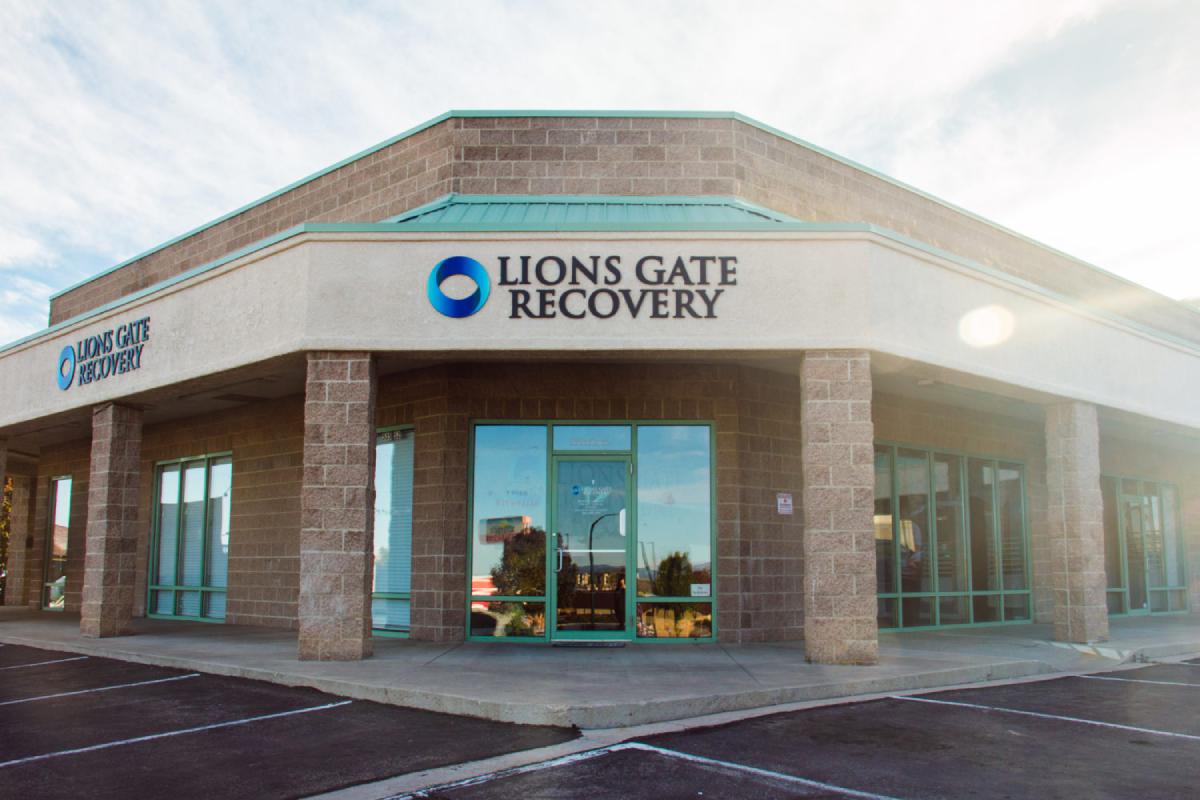
Cedar City Campus

Structured Addiction Treatment Serving Cedar City and Surrounding Areas

The Cedar City campus provides access to structured addiction treatment within the same clinical framework that defines every Lions Gate Recovery location.

While each campus serves a different geographic area, the treatment philosophy remains consistent: clear expectations, disciplined daily structure, integrated mental health care, and measurable progression through levels of care.

Location supports recovery. Structure sustains it.

Levels of Care Available in Cedar City

Clients at the Cedar City campus may receive care within multiple stages of the treatment continuum, depending on clinical assessment. These may include:

Placement is determined through a thorough admissions evaluation. Progression through levels is based on stability and accountability rather than fixed timelines.

A Focused Environment for Stabilization

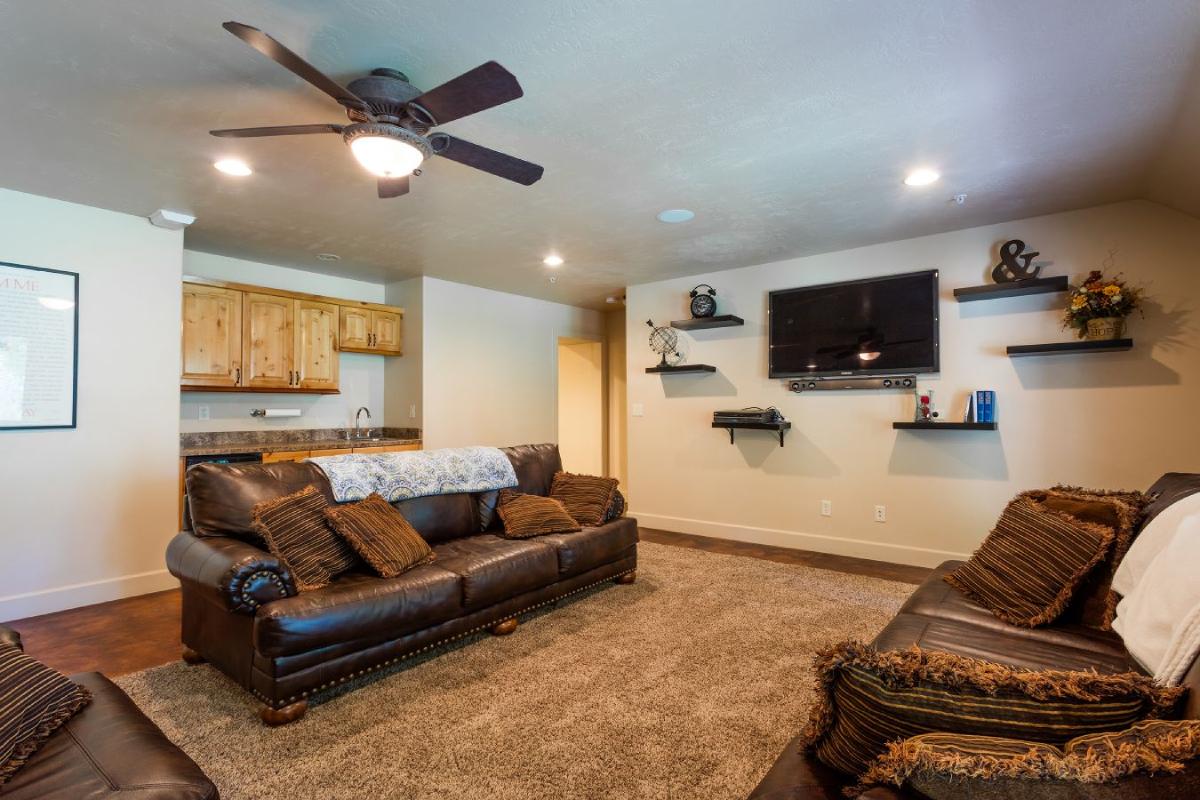
Cedar City offers a quieter, more contained environment that can help reduce exposure to triggers during early recovery. Distance from destabilizing influences allows clients to focus fully on treatment.

However, environment alone does not produce change.

Daily programming includes individual therapy, structured group work, cognitive and behavioral interventions, relapse prevention planning, and life skills development. Clients are expected to participate actively and demonstrate behavioral progress.
Mental Health Integration

Substance use often coexists with depression, anxiety, trauma-related symptoms, bipolar disorder, or personality-related instability.

At the Cedar City campus, mental health evaluation and treatment are integrated into the recovery process. Addressing both conditions simultaneously improves long-term outcomes and reduces relapse risk.

Treatment is coordinated, not fragmented.

Accountability and Progression

Recovery at Lions Gate Recovery is structured and progressive.

In early stages, supervision and routine are closely reinforced. As clients demonstrate stability, independence increases gradually through step-down levels of care.

This structured progression is designed to prevent premature discharge and reduce the likelihood of relapse.

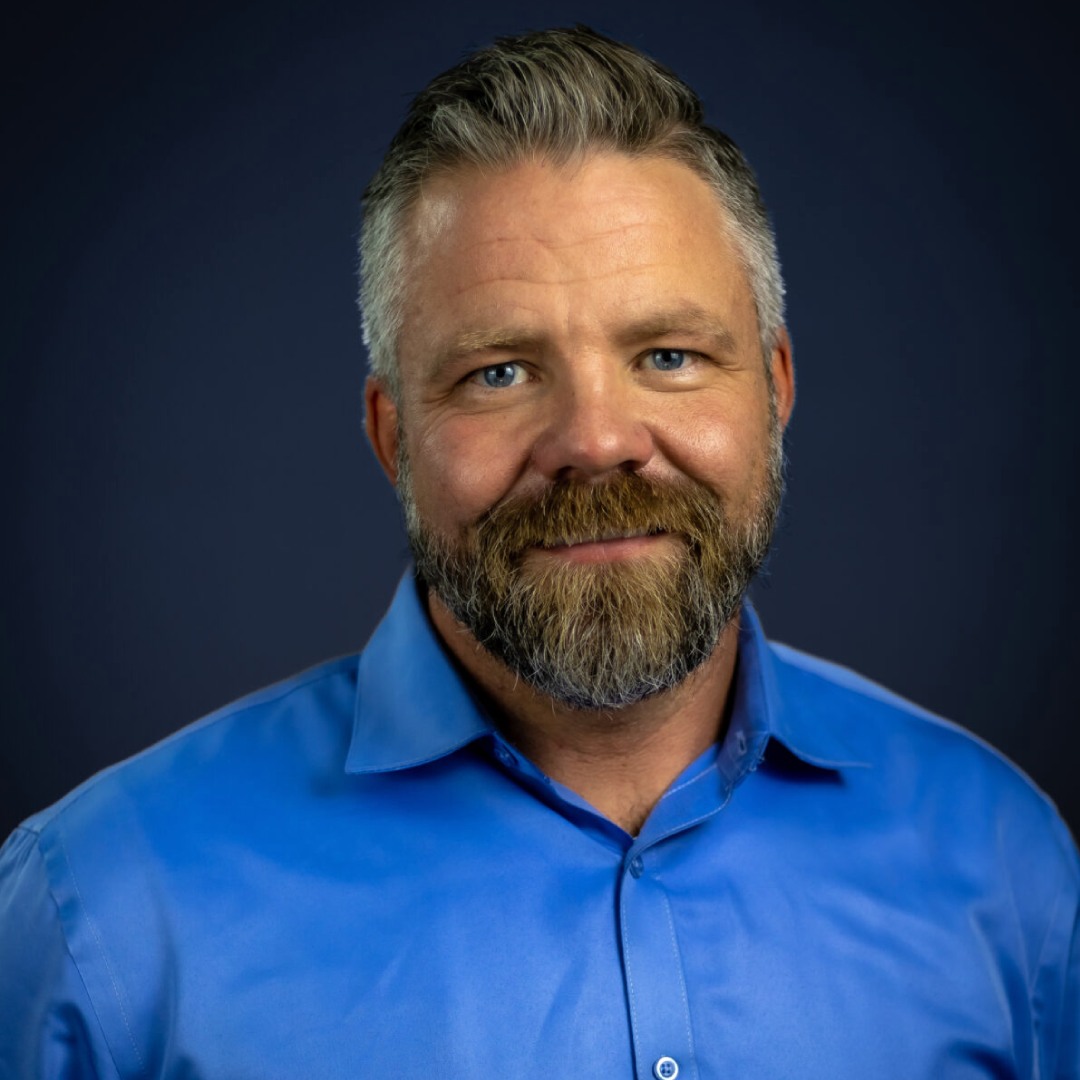
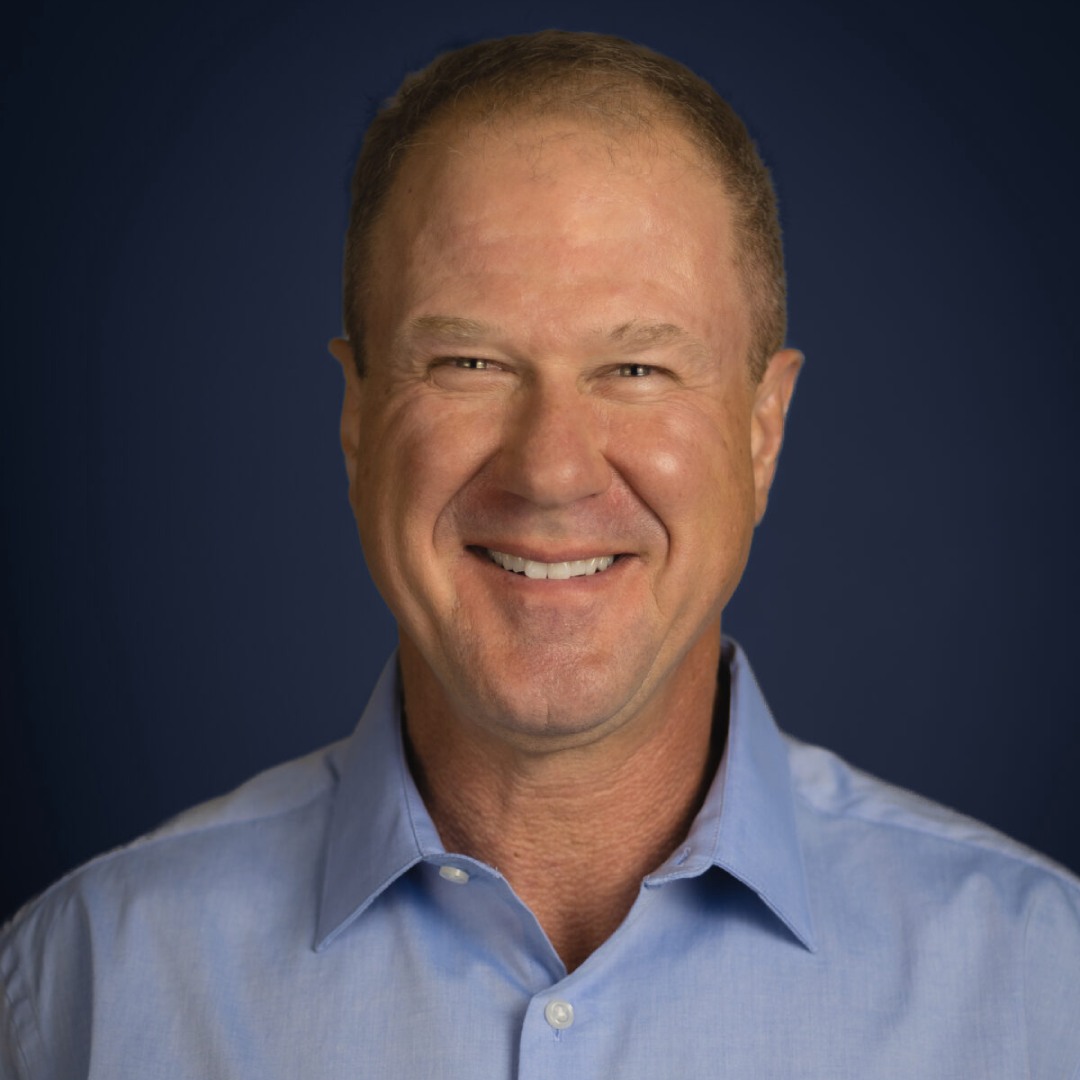
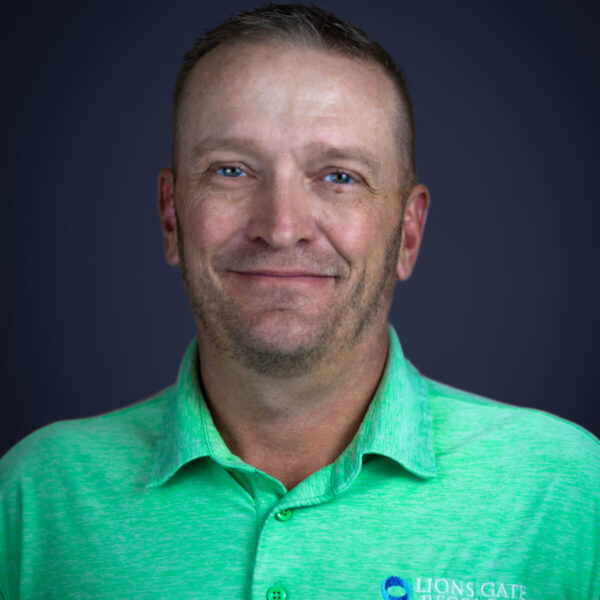
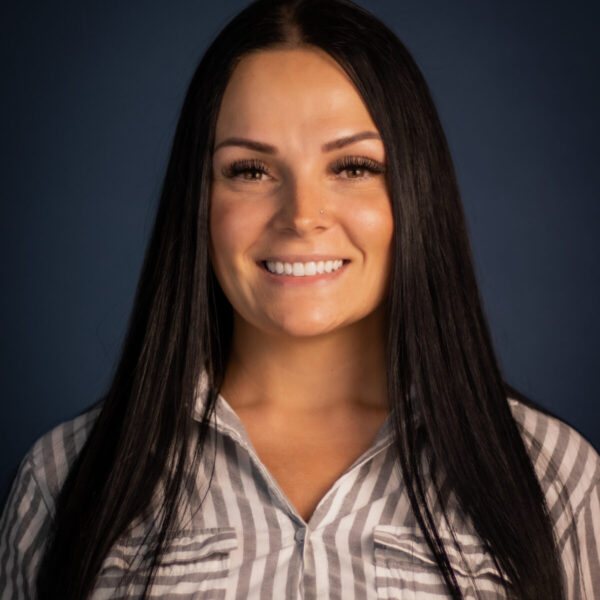
Meet Our Staff
Josh Campbell

Josh Campbell

Operations Director
Kelly Cluff

Kelly Cluff

Admissions Director
Aaron Ward

Aaron Ward

Clinical Director
Adon Pearson

Adon Pearson

PA, Medical Directo
Griffin Slade

Griffin Slade

SUDC Counselor
Le Pease

Le Pease

Counselor
Dacota Dacus

Dacota Dacus

Case Manager
Family Involvement

When appropriate, family members may be involved in therapy and education. Clear communication and boundary-setting are emphasized to strengthen long-term stability after treatment.

Recovery extends beyond the treatment setting.

Take the First Step

Recovery Starts With a Decision

Most of our clients arrive in crisis — facing criminal charges, losing relationships, after hospitalizations. But desperation can become transformation.

You do not have to wait for things to get worse.