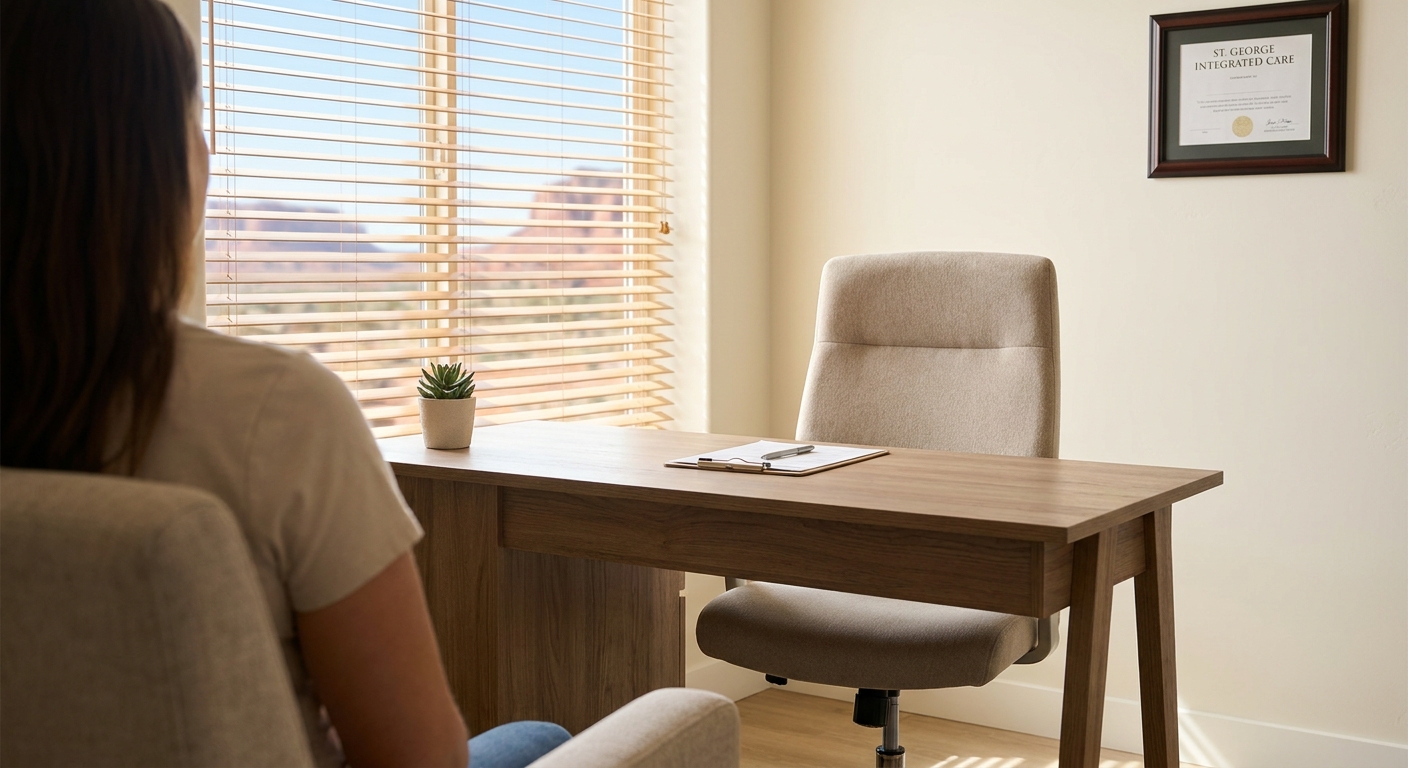

What a residential substance abuse program is
When you enter a residential substance abuse program, you live full time at a treatment facility for a set period of time instead of returning home each night. You sleep on-site, attend therapy on-site, and spend your days in a highly structured, sober environment that is focused entirely on your recovery.
Residential addiction treatment is sometimes called inpatient rehab. It provides 24/7 supervision, medical support, and access to behavioral therapies in a non‑hospital setting, creating a focused space away from distractions and triggers so that you can work on healing your body and mind together [1].
Many people step into a residential rehab program after completing detox, or when outpatient care has not been enough and the risk of relapse is high. In this level of care, you are not trying to manage cravings and triggers on your own. You are surrounded by a clinical team, peers in recovery, and a daily schedule that is designed to move you forward, one structured day at a time.
When a residential program is appropriate
A residential substance abuse program is not only for the most extreme situations. It becomes appropriate whenever the intensity and structure of 24/7 care will significantly increase your chances of getting and staying sober.
Residential treatment is often recommended if you:
- Have moderate to severe substance use, including dependence on alcohol, opioids, benzodiazepines, or multiple substances
- Have tried outpatient treatment or mutual‑help groups before and continued to relapse
- Live in an environment where substances are easily available or where people around you are still using
- Have co‑occurring mental health concerns such as depression, anxiety, PTSD, or bipolar disorder
- Experience strong cravings or withdrawal symptoms that feel overwhelming to manage alone
- Feel that your daily responsibilities and stressors make it very hard to prioritize recovery
Because residential addiction treatment provides 24/7 support, it is particularly important when withdrawal symptoms can be dangerous or life‑threatening, for example with alcohol, opioids, and benzodiazepines. Medically supported detox and withdrawal management help you move through this phase more safely and comfortably, then transition directly into focused therapy [2].
If you are unsure which level of care you need, many facilities offer residential treatment admissions assessments to help you decide whether a structured, live‑in setting is the right next step.
How long residential substance abuse programs last
Residential substance abuse programs typically follow one of several common lengths of stay: 30, 60, or 90 days. Your actual time in treatment depends on your history, health, and progress.
According to American Addiction Centers, programs most often fall into these ranges [3]:
| Program length | Typical duration | Key focus |
|---|---|---|
| 30‑day program | About 3 to 6 weeks | Stabilization, initial behavior change, foundation skills |
| 60‑day program | About 8 weeks | Deeper therapy, building sober support, relapse prevention |
| 90‑day program | Around 3 months | Multiple phases of care, intensive behavioral work, lifestyle change |
In a 30 day residential treatment, you focus on getting stable, starting therapy, and building basic coping skills. A 60 day residential rehab program gives you more time to practice new habits and strengthen support systems. Research suggests that staying in a residential setting for 90 days or longer is generally associated with more successful outcomes and more stable sobriety, especially for people with more severe addiction [2].
Your length of stay is influenced by several factors, including:
- Severity and duration of substance use
- Type of substances involved
- Presence of co‑occurring mental health disorders
- Your home environment and support system
- Practical issues such as work, childcare, legal needs, and insurance coverage [3]
If you know you need more time to reset and rebuild, a long term residential rehab option might be a better fit. The more time you have in a structured, sober environment, the more you can reinforce healthy routines that follow you home.
What daily structure in residential treatment looks like
One of the most powerful benefits of a residential substance abuse program is the predictable, intentional structure of your days. Instead of reacting to crises or cravings, you follow a schedule designed to support your body, mind, and relationships.
Although each structured residential addiction program is unique, your day often includes:
- Morning routines, such as waking at a consistent time, breakfast, and sometimes mindfulness or meditation
- Individual therapy sessions focused on your personal history and goals
- Group therapy where you share experiences, learn from peers, and practice new skills
- Educational groups (psychoeducation) that teach you about addiction, brain chemistry, relapse warning signs, and recovery tools
- Holistic or wellness activities such as exercise, yoga, or art, depending on the facility
- Evening reflection time, peer support groups, or 12‑Step or alternative recovery meetings
This level of structure is not about control. It is about giving you enough predictable rhythm so that you can gradually shift from chaos to stability. A consistent daily schedule reduces downtime, which is often when cravings, boredom, or old patterns start to creep in. Research highlights that residential programs foster stability by filling your days with purposeful activity and personal reflection, which reduces the opportunities for relapse behavior to resurface [4].
Therapeutic intensity and evidence‑based care
Residential treatment is therapy‑rich. You are not limited to a single weekly counseling session. Instead, you engage in multiple therapeutic experiences across each week that work together to address the physical, psychological, and social aspects of addiction.
In a quality residential recovery program you can expect:
Core evidence‑based therapies
You are likely to participate in several evidence‑based treatments, such as:
- Cognitive Behavioral Therapy (CBT), which helps you notice and change the thought patterns and beliefs that drive substance use
- Motivational Interviewing, which supports you in exploring your ambivalence and strengthening your personal reasons to stay sober
- Relapse prevention therapy, which helps you map your unique triggers and build specific plans to respond to them differently
- Family or couples therapy, when appropriate, to repair communication and support healthier boundaries
Residential addiction treatment programs rely on these approaches because they have been scientifically studied and shown to help people change addictive behaviors, manage cravings, and reduce relapse risk [2].
Individual and group work
You meet one‑on‑one with a therapist to dig into your history, trauma, mental health, and goals. You also participate in group sessions, where you can:
- Hear how others manage similar challenges
- Practice communication and boundaries
- Get honest feedback in a safe space
- Build empathy and accountability
This combination of individual and group therapy, plus psychoeducation, is a hallmark of modern residential addiction treatment and is one reason outcomes are often stronger than with outpatient services alone [4].
Addressing co‑occurring mental health needs
If you are living with depression, anxiety, PTSD, or another mental health condition along with addiction, a program that offers residential dual diagnosis treatment can be especially important. Integrated treatment for both conditions at the same time is associated with better recovery outcomes and reduced relapse risk compared to addressing them separately [2].
24/7 medical and clinical oversight
Residential care offers continuous oversight that you simply cannot get at home. For many people this is what makes the difference between another failed attempt and a real turning point.
In a high acuity residential rehab or similar setting, you have:
- Medical professionals available to manage withdrawal symptoms and monitor your physical health
- Mental health clinicians who can adjust medications and treatment plans as your needs change
- Staff on site around the clock who can respond quickly if you experience cravings, distress, or a mental health crisis
This level of support is especially critical in the early days of treatment, when your body is still adjusting and cravings can feel overwhelming. A key advantage of residential addiction treatment is this 24/7 support and supervision, which makes detoxification and the initial recovery phase safer and less destabilizing [4].
If you are entering a residential treatment after detox, clinical oversight remains essential as your focus shifts from physical stabilization to deeper emotional and behavioral work.
Behavioral accountability and relapse prevention
In everyday life, you are surrounded by familiar habits, people, and places that may make it easy to slip back into use. A residential substance abuse program disrupts those patterns and replaces them with consistent accountability.
You experience accountability in several ways:
- Regular check‑ins with staff and your treatment team about your goals and progress
- Clear expectations around participation in groups, therapies, and program activities
- Random or scheduled drug and alcohol testing, which can help you stay honest with yourself and others
- Peer feedback and support in groups, which encourages you to follow through on commitments
Over time, you learn how to recognize the earliest warning signs of relapse such as emotional shifts, thought patterns, or high‑risk situations. Many facilities build a dedicated residential relapse prevention program into your stay, so you leave with a concrete, written plan that covers:
- Personal triggers and high‑risk situations
- Coping strategies and replacement behaviors
- People you can reach out to quickly
- Steps to take if you do slip, so a lapse does not turn into a full relapse
Relapse rates for substance use disorders are often estimated at 40 to 60 percent, similar to other chronic conditions like diabetes or hypertension, which is why ongoing planning and support after residential care are so important [5].
Peer community and emotional support
Addiction can be intensely isolating. A residential setting places you in a community of people who understand what you are going through and who are working toward similar goals.
Group therapy, shared activities, and informal conversations build a sense of:
- Camaraderie
- Mutual accountability
- Reduced shame
- Hope, as you see others making progress
Residential programs foster this peer community intentionally. Group therapy and shared living spaces encourage mutual understanding and support, which research suggests helps reduce feelings of isolation and increases motivation to stay engaged in treatment [4].
Over time, some of these connections may become part of your long‑term recovery network once you leave the facility.
Transitioning from detox to residential care
If you have recently completed detox, you may feel clear headed but also uncertain, emotional, and physically drained. Moving into a residential treatment after detox allows you to continue healing without the pressure of immediately going back into your old environment.
In this transition phase, you can:
- Stabilize your sleep, nutrition, and daily routine
- Begin or deepen therapy work on trauma, grief, or relationships
- Learn more about how addiction has affected your brain and body
- Start planning for work, family, or legal responsibilities in a more grounded way
Without this step, you may find yourself returning home with new physical sobriety but without the tools or support to maintain it. A residential treatment center for addiction bridges this gap by giving you a safe place to practice living sober before you do it on your own.
Access, insurance, and private options
Practical concerns like cost and insurance are often a major part of deciding whether residential treatment is possible for you.
Some programs offer:
- Insurance covered residential rehab, which can lower your out‑of‑pocket expenses if you have health insurance
- Sliding scale fees or payment plans for those paying privately
- A private residential rehab center experience, with smaller groups, more privacy, and additional amenities
The quality of care itself does not have to depend on luxury features. CARF‑accredited residential programs in the United States, for example, are recognized for providing high quality, individualized treatment with evidence‑based therapies and medically trained staff [5].
If you are not sure where to start, SAMHSA’s National Helpline at 1‑800‑662‑HELP (4357) offers free, confidential treatment referrals and information 24 hours a day in English and Spanish. This service can connect you to local residential substance abuse programs, support groups, and community resources whether or not you have insurance. You can also text your ZIP Code to 435748 (HELP4U) to receive information about nearby treatment options [6].
If you or someone you love needs help, you can call SAMHSA’s National Helpline at 1‑800‑662‑HELP (4357) or text 435748 (HELP4U) with your ZIP code for confidential referrals to nearby programs.
Building life after residential treatment
Residential treatment is a powerful intervention, but it is not the end of recovery. It is the beginning of a long‑term process of change. To sustain progress, you may continue with:
- Outpatient therapy or intensive outpatient programs
- Medication management for substance use or mental health conditions
- Mutual‑help groups, such as 12‑Step or other peer‑led meetings
- Sober living environments
- Ongoing check‑ins with your former treatment providers
Many programs emphasize follow‑up support, such as check‑in calls and encouragement to join recovery groups after discharge, because these steps have been linked to better long‑term sobriety outcomes [2].
If you know that returning home will still involve significant triggers, you might explore residential care for addiction that offers step‑down levels or extended stays so you can transition more gradually.
Deciding if a residential program is right for you
Choosing to enter a residential substance abuse program is a significant decision. It often means pressing pause on work, school, or family routines so that you can focus fully on getting well. At the same time, it can be one of the most effective ways to interrupt a dangerous pattern and build a foundation for a different future.
A residential program may be right for you if:
- You feel stuck in a cycle of using, trying to stop, and relapsing
- You cannot maintain sobriety in your current environment
- Your mental health symptoms are worsening alongside substance use
- You are ready to commit a period of your life to intensive healing
By choosing a structured 24/7 recovery program, you are giving yourself time, space, and professional support to change. Whether you start with a 30‑day stay, step into a residential recovery program linked to outpatient care, or enter a long term residential rehab, you are not doing this alone. You are stepping into a community and a plan designed to help you find and maintain recovery, one structured day at a time.