
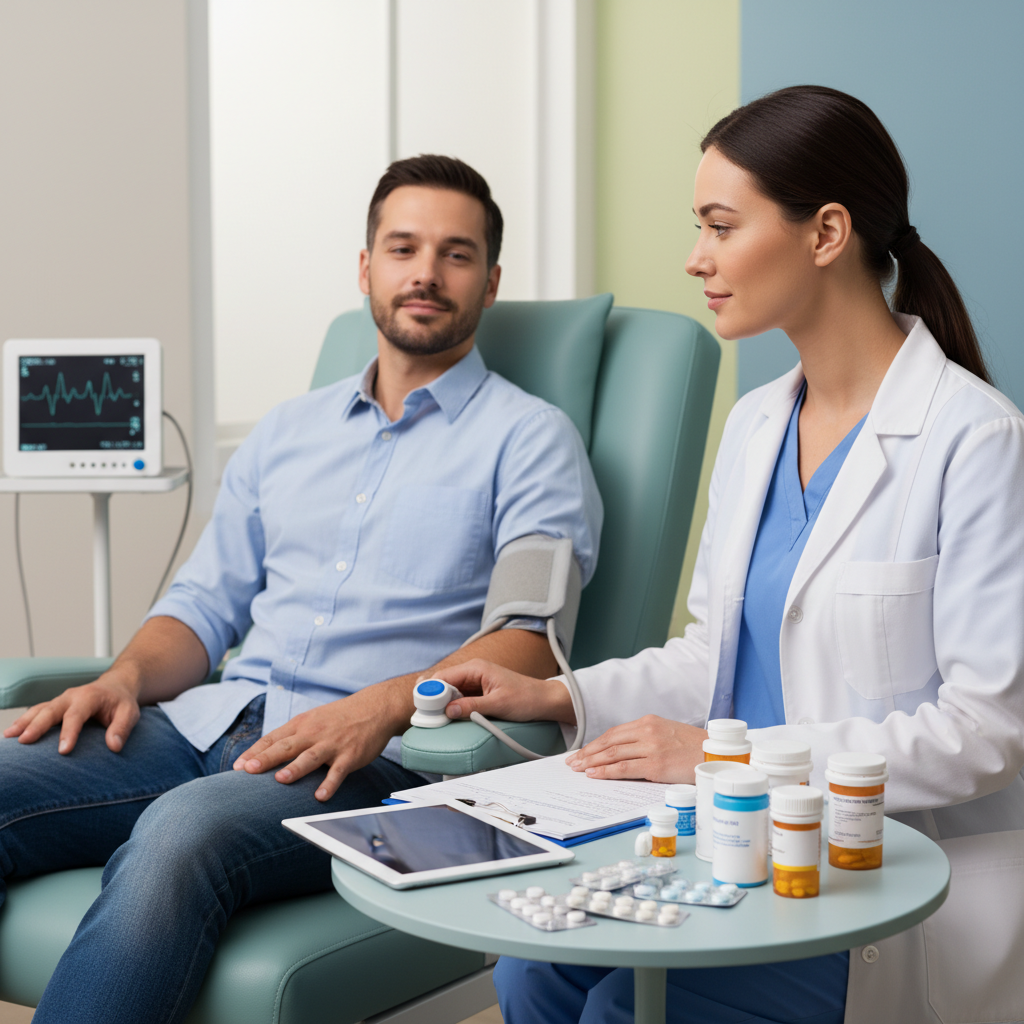
Understanding medications used during detox
When you hear about medications used during detox, you might picture being heavily sedated or “replacing one drug with another.” In reality, medical detox is a short, focused stabilization phase that uses specific medications to keep you safe and as comfortable as possible while your body clears alcohol or other drugs.
Professional drug detox, also called medically managed withdrawal, is different from full addiction treatment. In detox, the goal is to safely manage withdrawal side effects and protect your physical health so that you are stable enough to move into counseling and longer term treatment later on [1]. You are not “cured” in detox. You are medically stabilized and prepared for the next step.
If you or someone you love is worried about what will happen in detox, understanding the medications that may be used can reduce a lot of fear. You also avoid serious risks that can come with trying to quit “cold turkey” at home, especially with alcohol, benzodiazepines, and opioids.
For more context about when you might need this level of care, you can explore the signs you need medical detox and when is detox medically necessary.
Why medical detox is safer than quitting on your own
Stopping alcohol, opioids, or other substances suddenly without medical support can be unpredictable. Depending on what you have been using, how long, and how much, you can face anything from intense discomfort to life threatening complications.
Medical detox programs use a model that involves physicians, nurses, and clinical staff who monitor you closely and use medications to help you withdraw safely [1]. These programs are available in inpatient, residential, or in some cases outpatient settings, depending on your health and withdrawal severity.
Trying to quit “cold turkey” can be dangerous for several reasons:
- Alcohol withdrawal can lead to seizures and a severe condition called delirium tremens
- Benzodiazepine withdrawal can also trigger seizures and intense anxiety
- Opioid withdrawal, while usually not life threatening by itself, can be so painful that it pushes you back to use, with high overdose risk if your tolerance has dropped
Medications used during detox are designed to:
- Reduce or prevent dangerous complications like seizures
- Ease symptoms like nausea, shaking, sweating, and anxiety
- Control cravings that can lead to early relapse
- Help you sleep and eat so your body can begin to heal
- Keep you stable enough to transition into ongoing treatment
If you are wondering what to expect in a supervised setting, it can be helpful to read more about how medical detox works and the detox admissions process.
How doctors decide which detox medications you receive
You are not given the same medications as everyone else. Your detox team tailors treatment based on:
- The primary substance or substances you have been using
- How long and how heavily you have been using
- Your age and overall physical health
- Any co occurring mental health or medical conditions
- Previous detox or treatment history
- Current medications you already take
In the first hours, staff will evaluate your vital signs, withdrawal severity, and risk of complications. They may use standardized assessment tools to score your symptoms. Based on this, they decide which medications to start, at what dose, and how often.
As your withdrawal progresses, they make adjustments. Many medications are started at a helpful dose and then slowly reduced, or tapered, over several days. Tapering means your clinical team gradually lowers the amount you receive to ease symptoms without causing a sharp crash [1]. This is especially common for benzodiazepines, alcohol, and opioids.
Throughout detox, you are monitored and supported so that you do not have to manage symptoms on your own.
Medications for alcohol detox
Alcohol withdrawal is one of the most medically risky types of withdrawal. Some medications are used only in the acute detox phase, while others can continue after detox to help you stay sober.
Benzodiazepines for acute alcohol withdrawal
During the first days of alcohol detox, benzodiazepines are often the main medication group used. These drugs calm brain activity and help prevent seizures, which are a serious complication of alcohol withdrawal.
Commonly used benzodiazepines in alcohol detox include:
- Chlordiazepoxide, often known by the brand Librium
- Diazepam
- Lorazepam
Benzodiazepines can:
- Reduce anxiety and agitation
- Lower the risk of seizures and delirium tremens
- Decrease shaking, sweating, and restlessness
If they are started promptly and used in the right dose, benzodiazepines can significantly cut the severity of withdrawal and protect you from medical emergencies [2].
These medications are given for a short time and then tapered down so that you do not develop a new dependence.
Anticonvulsants for seizure prevention and cravings
Anticonvulsant medications are sometimes used in addition to, or instead of, benzodiazepines in alcohol detox. They are designed to stabilize brain activity and prevent seizures.
In alcohol detox, anticonvulsants can:
- Help protect against withdrawal seizures
- Reduce the intensity of some withdrawal symptoms
- In some cases, reduce alcohol cravings
They are especially useful if your medical team is concerned about seizure risk [2].
Post detox medications for alcohol use disorder
Once you are medically stable and the acute withdrawal is over, certain medications can help you maintain sobriety. These are not detox drugs in the narrow sense, but they are often started after or near the end of detox.
Common FDA approved medications for alcohol use disorder include:
Acamprosate (Campral)
Helps adjust brain chemistry and reduce the desire to drink, but does not treat acute withdrawal symptoms. It is usually taken three times a day to support early recovery [3].Disulfiram
Creates a very unpleasant physical reaction if you drink alcohol, which can act as a deterrent. It does not stop cravings but can help you avoid impulsive drinking if you are committed to abstinence [3].Naltrexone
Blocks some of the rewarding effects of alcohol and can reduce cravings. It is available in pill form and as a long acting injection (Vivitrol) [3].
These medications work best when combined with counseling and support. They do not cure alcohol use disorder but can give you a stronger footing in early recovery [3].
If you want to understand the course of symptoms in more detail, the alcohol withdrawal symptoms timeline can offer additional clarity about what each day of withdrawal can look like.
Medications for opioid detox
Opioid withdrawal is known for being extremely uncomfortable. Symptoms like muscle pain, nausea, vomiting, diarrhea, and intense cravings often drive people back to use. Medications used during opioid detox are designed to reduce this suffering and protect you from relapse and overdose.
Methadone
Methadone is a long acting opioid agonist that attaches to the same brain receptors as heroin or prescription pain pills but in a more controlled way.
In opioid detox and treatment, methadone can:
- Decrease cravings
- Reduce or prevent withdrawal symptoms
- Block the effects of other opioids to some extent
- Lower the risk of returning to illicit opioid use
Methadone is FDA approved for opioid use disorder and is often used beyond the withdrawal phase as part of ongoing treatment [2]. It is typically taken once daily under supervision in a specialized clinic.
In a large analysis of nearly 886,000 treatment episodes in California, methadone was the predominant medication used in opioid treatment, and the duration of medication assisted treatment generally increased with each treatment attempt [4].
Buprenorphine
Buprenorphine is a partial opioid agonist. That means it activates opioid receptors enough to reduce withdrawal and cravings but has a ceiling effect that lowers overdose risk.
During detox and ongoing treatment, buprenorphine can:
- Relieve withdrawal symptoms
- Diminish cravings
- Block the euphoric effects of other opioids
- Lower the chance of misuse and overdose [2]
Buprenorphine can be prescribed in several forms, including:
- Sublingual tablets or films, often combined with naloxone as products like Suboxone or Zubsolv
- Monthly extended release injections such as Sublocade [5]
Timing matters. Buprenorphine has to be started after you have already begun to withdraw, or it can trigger sudden, intense withdrawal. Clinicians follow careful protocols to avoid this [5].
Buprenorphine is notable because it can be prescribed or dispensed in physician offices rather than only in specialized clinics, which increases access to care [3].
Naltrexone for relapse prevention
Naltrexone is an opioid antagonist. It blocks opioid receptors instead of activating them. It is not a primary medication for acute opioid withdrawal, because starting it too soon can cause sudden withdrawal.
Once you are completely opioid free for a set period, naltrexone can be used to:
- Block the euphoric and sedating effects of opioids
- Help prevent relapse by removing the “reward” if opioids are taken
- Support long term recovery from opioid use disorder
Naltrexone is available as a daily pill and as a once monthly injection, Vivitrol [5]. Your care team will only start it after opioids are fully cleared from your system to avoid withdrawal [5].
Why detox alone is not enough for opioid use disorder
Research shows that detox without follow up medication treatment is usually not enough to support lasting recovery from opioid use disorder. One large study of detox episodes in California found that:
- Only 20.2 percent of detox episodes were followed by admission into medication assisted treatment
- Only 10.9 percent began medication treatment within 14 days of detox
- Repeated detox attempts without subsequent medication treatment were linked to lower odds of successfully completing detox over time
- Successful detox was associated with longer duration of subsequent methadone or buprenorphine treatment [4]
These findings support current guidelines that define “success” in opioid detox as more than simply getting through withdrawal. Success includes being linked to ongoing, medication assisted treatment that stabilizes you over the long term.
To better understand the physical course of these symptoms, you can review the opioid withdrawal timeline explained.
Medications used during detox for other substances
While alcohol and opioids are the most well known for medication assisted detox, you may receive support for other substances as well.
Benzodiazepine withdrawal
If you have been using benzodiazepines regularly, you should never stop suddenly on your own. Abrupt withdrawal can cause seizures, hallucinations, and severe anxiety. In medical detox:
- You may be switched from a short acting benzodiazepine to a longer acting one
- Your dose is then slowly tapered over time to minimize symptoms and risk [1]
- Additional medications may be added for sleep, mood, or seizure protection if needed
Trying to manage this at home is particularly risky, which is why understanding the dangers of detoxing at home is so important.
Stimulant and other substance withdrawal
For stimulants like cocaine or methamphetamine, there is no single FDA approved detox medication. However, your team can still support you with medications for:
- Sleep problems
- Depression or anxiety
- Headaches or body aches
Similar supportive care may be used for cannabis or other substances, depending on your symptoms.
Supportive medications that make detox more tolerable
Beyond the primary detox medications, your treatment team may use a range of supportive drugs to address specific symptoms. These do not treat withdrawal directly, but they reduce discomfort so you can tolerate the process.
You may receive short term medications for:
- Nausea and vomiting
- Diarrhea or stomach cramps
- Muscle and joint pain
- Insomnia
- Restlessness or agitation
- Elevated blood pressure or heart rate
By targeting individual symptoms, your team can help you rest, hydrate, eat, and rebuild strength during detox.
Medical detox combines targeted withdrawal medications with symptom specific support, so you are not left to “tough it out” alone.
Medication assisted treatment after detox
Many of the medications used during detox can continue after the immediate withdrawal phase as part of medication assisted treatment, often called MAT. MAT combines FDA approved medications with counseling and behavioral therapies to treat substance use disorders using a whole person approach [3].
As of 2024, common MAT medications include:
For opioid use disorder
Buprenorphine
Methadone
Naltrexone
For alcohol use disorder
Acamprosate
Disulfiram
Naltrexone
These medications:
- Normalize brain chemistry affected by chronic substance use
- Reduce cravings
- Block euphoric effects of alcohol or opioids
- Support long term stability and reduce relapse risk [3]
They are considered safe for long term use, sometimes for months or even a lifetime when medically indicated [3].
MAT is often paired with therapies like cognitive behavioral therapy and counseling to address the emotional and behavioral sides of addiction [5]. Detox is the starting line, not the finish line.
To see how detox fits into the bigger picture, you may want to read more about what happens after detox.
Overdose reversal medications
Although they are not detox medications in the strict sense, overdose reversal drugs are a critical part of the safety net around opioid use.
Two key medications are:
- Naloxone
- Nalmefene
Both are FDA approved and are used in emergencies to:
- Rapidly reverse the toxic effects of an opioid overdose
- Restore breathing
- Prevent death if given in time [3]
Naloxone, in particular, is recognized by the World Health Organization as essential to a functioning healthcare system [3].
If you or a loved one is at risk of opioid overdose, having access to naloxone and knowing how to use it can be lifesaving, even if you are entering or already in treatment.
What to expect during the detox timeline
The length of detox and how long you might take medications varies based on your substance use pattern and health. In general, the most intense withdrawal symptoms last a few days to about a week, but some symptoms can linger.
To get a clearer picture of timing, you can explore:
- How long does detox take
- Alcohol withdrawal symptoms timeline
- Opioid withdrawal timeline explained
Remember that detox is a medical stabilization phase. By the end of detox:
- Your vital signs are stable
- Dangerous withdrawal symptoms are under control
- You are medically cleared to move into the next level of care
Detox is not the same as residential treatment or outpatient rehab. It is the critical first step that makes deeper work on recovery possible.
Taking your next step toward safe, supported detox
If you have delayed getting help because you were afraid of withdrawal, knowing more about medications used during detox can change that picture. Instead of facing withdrawal alone, you can have a team using well studied, FDA approved treatments to reduce risk, ease symptoms, and keep you stable.
Detox is most effective when it connects you into ongoing care, especially if you are dealing with opioid or alcohol use disorder where medication assisted treatment can make a major difference in long term stability [4].
If you are unsure whether now is the right time, you can review the signs you need medical detox and the dangers of detoxing at home. When you are ready, learning about the detox admissions process can help you feel more prepared and less uncertain about what comes next.
You do not have to suffer through withdrawal alone or guess about the safety of quitting on your own. Medically supervised detox gives you a safer, more comfortable way to start your recovery journey and opens the door to the treatment and support that follow.