
Understanding dual diagnosis and why it matters
If you are living with both a substance use disorder and a mental health condition, you are not alone. In 2020, about 6.7% of U.S. adults, roughly 17 million people, had a co occurring mental illness and substance use disorder [1]. When both conditions are present, this is known as a dual diagnosis or co occurring disorder.
A dual diagnosis means you are dealing with at least two serious health challenges at the same time. One is a substance use disorder, such as alcohol, opioids, stimulants, or other drugs. The other is a mental health condition, such as depression, anxiety, bipolar disorder, PTSD, or another psychiatric condition. These conditions interact with each other, often in complex ways, and each can make the other worse.
Because of this interaction, a standard addiction program or a stand alone mental health program is usually not enough. You need a dual diagnosis rehab program that is designed to treat both conditions together. Integrated care, where the same team addresses your mental health and substance use at the same time, is now considered the gold standard for treatment [2] and is more effective than treating each issue separately [1].
A well designed co occurring disorder treatment plan gives you a safer path forward. Instead of just focusing on stopping substance use, it also helps you stabilize your mood, reduce symptoms like anxiety or flashbacks, and build skills to handle life without returning to old patterns.
Why integrated treatment improves outcomes
You might wonder why you cannot simply address your addiction first and your mental health later. Research shows that trying to treat these issues one at a time often leads to poor results. Integrated dual diagnosis treatment programs address both simultaneously using medical care, evidence based therapies, and, when appropriate, medication to manage symptoms and reduce substance use [1].
Studies have found that integrated, comprehensive, and individualized treatment for co occurring disorders is more effective at improving sobriety, mental health symptoms, and quality of life than non integrated approaches [1]. In a large study of residential dual diagnosis enhanced programs, patients experienced an 88% reduction in intoxication rates from baseline, and about 68% remained in remission six to twelve months after discharge [3].
Integrated care helps you because:
- Your treatment team sees the full picture, not just part of it
- You have one coordinated plan instead of conflicting recommendations
- Therapies are adapted to your cognitive and emotional needs
- Medication choices account for both addiction and mental health
- You learn relapse prevention skills that fit your specific combination of challenges
When you choose integrated addiction and mental health treatment, you give yourself a better chance of stable recovery, not just from substances, but from the mental health symptoms that may have fueled your use in the first place.
Key elements of a quality dual diagnosis rehab program
Not every rehab center is equipped to treat dual diagnosis effectively. As you explore options, you can look for specific features that signal a strong program that is prepared to meet your needs.
Integrated psychiatric care
Effective dual diagnosis rehab includes robust psychiatric care in addiction treatment. You should have access to psychiatrists or psychiatric nurse practitioners who:
- Perform detailed diagnostic assessments
- Help clarify what conditions you are dealing with
- Monitor how your symptoms change throughout treatment
- Collaborate closely with therapists and medical staff
The integrated model, where the same team manages both mental illness and substance use disorders at the same time, is now accepted as the standard of care in dual diagnosis rehab [4]. This coordination helps avoid gaps, miscommunication, or fragmented care.
Medication management and MAT
Medication is often a key part of dual diagnosis treatment. Medication assisted therapy (MAT) can help reduce cravings and withdrawal symptoms, while psychiatric medications support mood stability, anxiety reduction, or psychosis management. MAT and psychiatric medications are most effective when they are tailored to your specific combination of mental health and substance use disorders [2].
A strong program will:
- Review any current medications you are taking
- Adjust or simplify your regimen to improve safety and effectiveness
- Use MAT when appropriate for substances like opioids or alcohol
- Carefully monitor side effects and interactions
- Educate you about how and why each medication is used
In an integrated setting, you are not left to manage medications on your own. Instead, your team supports you in understanding how medication fits into your larger recovery plan.
Evidence based therapies tailored to dual diagnosis
Therapy is central to any dual diagnosis treatment program. However, people with co occurring disorders often need therapies that are adjusted for attention, memory, emotional regulation, or motivation challenges.
Several approaches have strong support in dual diagnosis care:
- Cognitive Behavioral Therapy (CBT), which helps you identify and change thought patterns that drive both substance use and mental health symptoms
- Dialectical Behavior Therapy (DBT), which teaches skills for managing intense emotions, reducing self harm, and improving relationships
- Integrated Group Therapy (IGT) specifically developed for bipolar disorder and substance use, which has been shown to outperform treatment as usual in some trials [4]
- Modified CBT and Motivational Enhancement Therapy (MET) adapted for people with psychotic disorders and co occurring substance use, which can improve engagement and relapse prevention [4]
A quality dual diagnosis rehab program will use a combination of these evidence based therapies within individual, group, and sometimes family sessions. The goal is not just abstinence. It is also emotional stability, better coping skills, and more satisfying relationships.
Levels of care you can choose from
Dual diagnosis treatment is not one size fits all. The right setting for you depends on your symptoms, safety, daily responsibilities, and support system. Many people move through more than one level of care over time as their needs change.
Residential dual diagnosis rehab
A dual diagnosis residential program provides 24 hour care in a structured, live in setting. This level is often appropriate if you:
- Have severe withdrawal risks or medical concerns
- Are experiencing significant depression, anxiety, or other psychiatric symptoms
- Have tried outpatient care without success
- Need distance from triggers or a chaotic home environment
Residential dual diagnosis programs are well suited to complex cases, including those with multiple diagnoses. The large study of residential dual diagnosis enhanced programs found strong and lasting reductions in intoxication and fewer hospitalizations when patients completed treatment [3].
Partial hospitalization programs (PHP)
A dual diagnosis php is an intensive day program that provides several hours of treatment most days of the week, but you return home or to a sober living environment in the evenings. PHP may be a good fit if you:
- Need more structure than standard outpatient care
- Have moderate to severe symptoms but are medically stable
- Benefit from daily support yet can maintain some independence
PHP can serve as a step down from residential treatment or as an alternative if you cannot commit to living on site.
Intensive outpatient programs (IOP)
A dual diagnosis iop offers several hours of treatment on multiple days each week, with more flexibility around work or family responsibilities. IOP may work well if you:
- Are medically and psychiatrically stable
- Have a supportive living environment
- Need structured support but also want to maintain work, school, or caregiving roles
Many people continue in IOP after completing residential or PHP care. This step down approach helps you practice new skills in daily life while still having a strong safety net.
Across all levels of care, look for programs that integrate mental health and substance abuse treatment instead of treating them separately.
How to evaluate if a program truly treats dual diagnosis
Because not all programs use the term “dual diagnosis” consistently, you may need to ask detailed questions to understand what is really offered. You can use the checklist below as a guide when you speak with admissions or clinical staff.
Ask any potential program: “How exactly do you treat both my mental health condition and my substance use disorder at the same time, day to day?”
Key areas to explore include:
- Accreditation and specialization
Ask if the program is accredited by reputable organizations such as the Commission on Accreditation of Rehabilitation Facilities (CARF). CARF accreditation means the center has met rigorous standards for quality, including in dual diagnosis programming [5]. - Clinical team
Confirm that psychiatrists, addiction physicians, therapists, and nursing staff all have training and experience with co occurring disorders. Multidisciplinary teams are essential for high quality dual diagnosis care [4]. - Assessment and diagnosis
Ask what intake assessments they use to diagnose psychiatric conditions and substance use disorders. A thorough dual diagnosis admissions process should include mental health evaluations, substance use history, medical review, and risk assessments. - Integrated treatment planning
Look for programs that create one comprehensive plan rather than separate plans for mental health and addiction. Your goals, therapies, medications, and supports should all connect. - Use of evidence based therapies
Ask which therapies they use specifically for dual diagnosis. Look for CBT, DBT, IGT, MET, and other approaches that have been adapted for co occurring disorders. - Continuity of care and aftercare
Because only about 43% of people entering addiction treatment complete their programs [5], strong programs work hard to keep you engaged and supported. Ask how they adjust treatment if you are struggling, and what aftercare or alumni support is available after discharge.
Paying for dual diagnosis rehab and working with insurance
Cost is a real concern for many people. At the same time, delaying care because of financial worries can increase risks to your health, relationships, and safety. Exploring insurance covered dual diagnosis rehab options can make treatment more accessible.
You can:
- Contact programs directly and ask if they verify benefits on your behalf
- Ask which services are typically covered, such as detox, residential, PHP, IOP, and outpatient psychiatry
- Clarify any co pays, deductibles, or out of pocket maximums
- Ask about payment plans or financial assistance if needed
Less than 5% of people who needed drug rehab in the United States in 2023 actually received it [5]. A significant part of this gap is related to access and cost. Working through the financial details up front can help you move forward with treatment instead of putting it off.
Relapse prevention in dual diagnosis treatment
Relapse prevention is not only about avoiding substances. In a dual diagnosis context, it also means anticipating and managing mental health fluctuations that could trigger substance use. A strong dual diagnosis relapse prevention plan sees both as connected and prepares you for both.
Effective relapse prevention in dual diagnosis rehab often includes:
- Learning to recognize early warning signs of both psychiatric and substance use relapse
- Practicing coping skills for stress, anxiety, depression, or trauma related symptoms
- Developing a crisis plan that includes who to call and what steps to take if symptoms suddenly worsen
- Reviewing how medications help stabilize you and what to do if you miss doses
- Building a supportive network of peers, family, and professionals
Support groups tailored to dual diagnosis, such as Double Trouble in Recovery, use a 12 step model adapted for people managing both mental health and substance use disorders [2]. These communities can provide ongoing encouragement and understanding after you leave formal treatment.
The large study of dual diagnosis enhanced residential programs found that patients who avoided weekly intoxication during the year after discharge had much lower rates of hospitalizations and emergency room visits, only 1 to 4%, compared to 12 to 31% among those who relapsed weekly [3]. This shows that sustained recovery has real benefits for your health and stability beyond substance use alone.
What to expect during the treatment journey
Knowing what to expect can reduce anxiety about starting a dual diagnosis rehab program. While every program is different, the overall process often follows similar phases.
- Intake and assessment
During dual diagnosis admissions, you share your history, current symptoms, medications, and goals. The team gathers information to understand your diagnosis and level of care needs. - Detox and stabilization, if needed
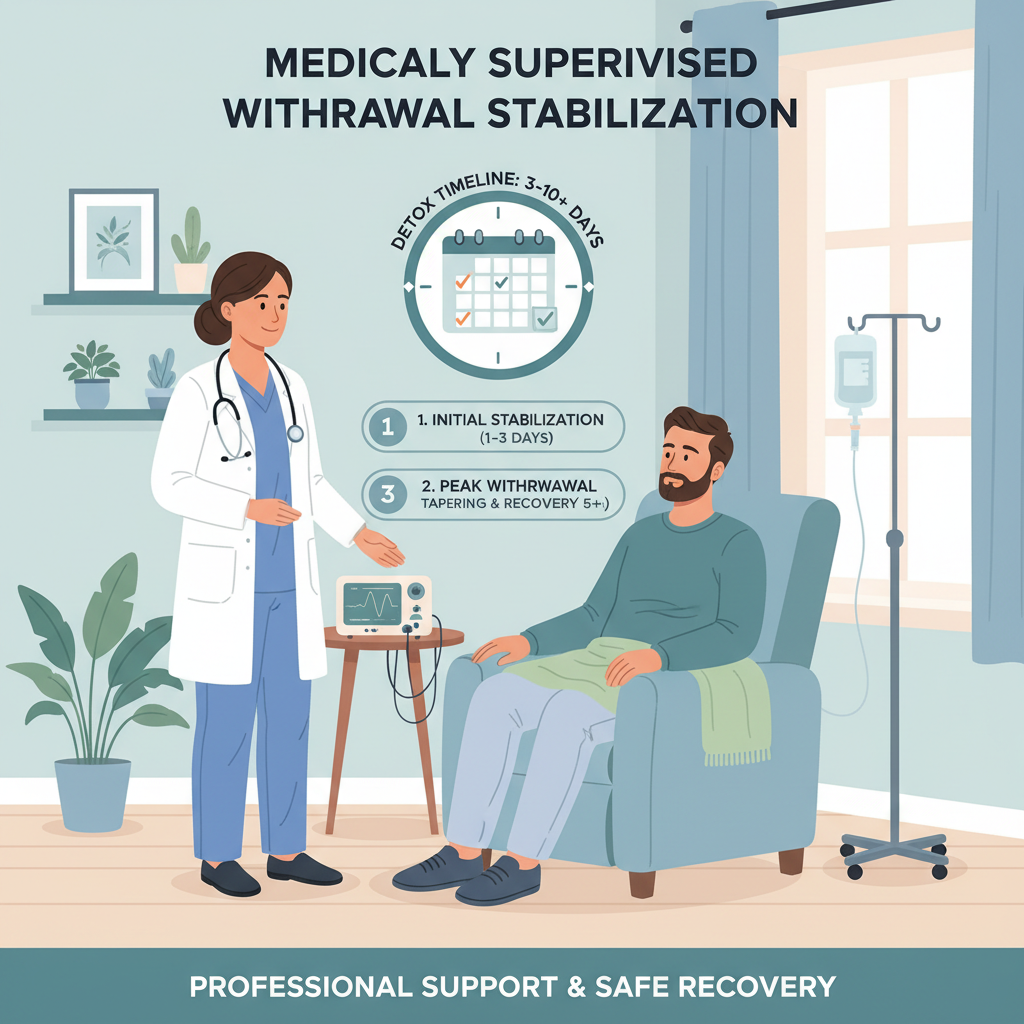
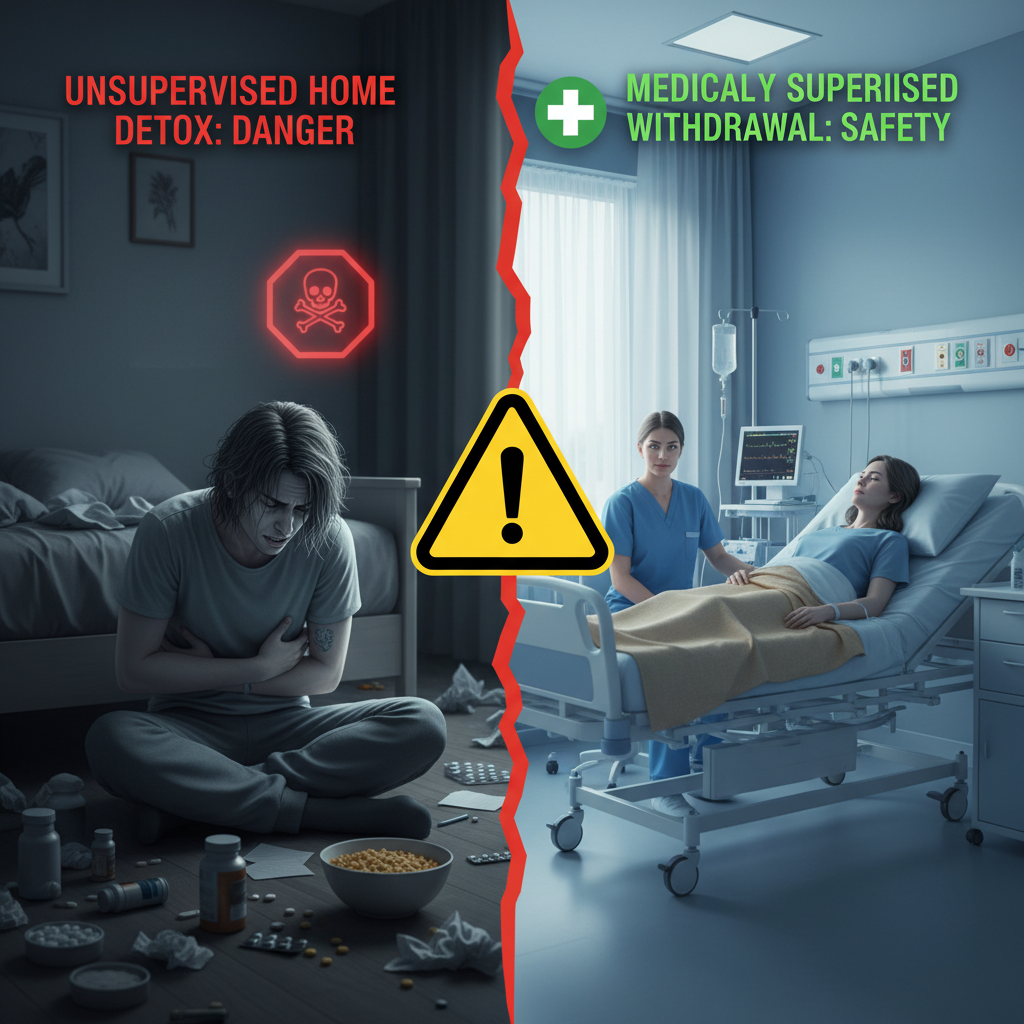
If you are physically dependent on alcohol, opioids, benzodiazepines, or other substances, you may begin with medically supervised detox. This phase focuses on safety and comfort as you start to withdraw from substances. - Active treatment
Once medically stable, you engage in daily programming that may include individual therapy, group sessions, medication management, psychoeducation, and holistic or skills based activities. This is the core of your dual diagnosis treatment. - Skill building and practice
Over time, you learn and practice skills for emotion regulation, communication, relapse prevention, and self care. Therapies like CBT and DBT help you apply these skills to real situations. - Transition planning
As you approach discharge from residential, PHP, or IOP, your team helps you plan next steps. This may include step down care, outpatient therapy, support groups, housing, work or school plans, and ongoing medication management. - Aftercare and long term support
Recovery from dual diagnosis is an ongoing process. Many people continue in outpatient therapy, medication management, or peer support long term. Consistent follow up and willingness to adjust your plan help you stay on track.
Taking your next step toward integrated care
Finding the best dual diagnosis rehab program for you is a personal decision. You deserve care that takes every part of you into account, not just your substance use or your mental health symptoms in isolation. When you choose a program that provides truly integrated mental health and substance abuse treatment, you increase your chances of long term recovery and a better quality of life.
If you recognize yourself in the description of dual diagnosis, you do not have to navigate this alone. Exploring integrated addiction and mental health treatment and learning about the different levels of dual diagnosis care can help you decide what fits your situation best.
Reaching out for help is a significant step. With the right dual diagnosis rehab program, you can work toward stability, safety, and a future where both your mental health and your sobriety are supported.